
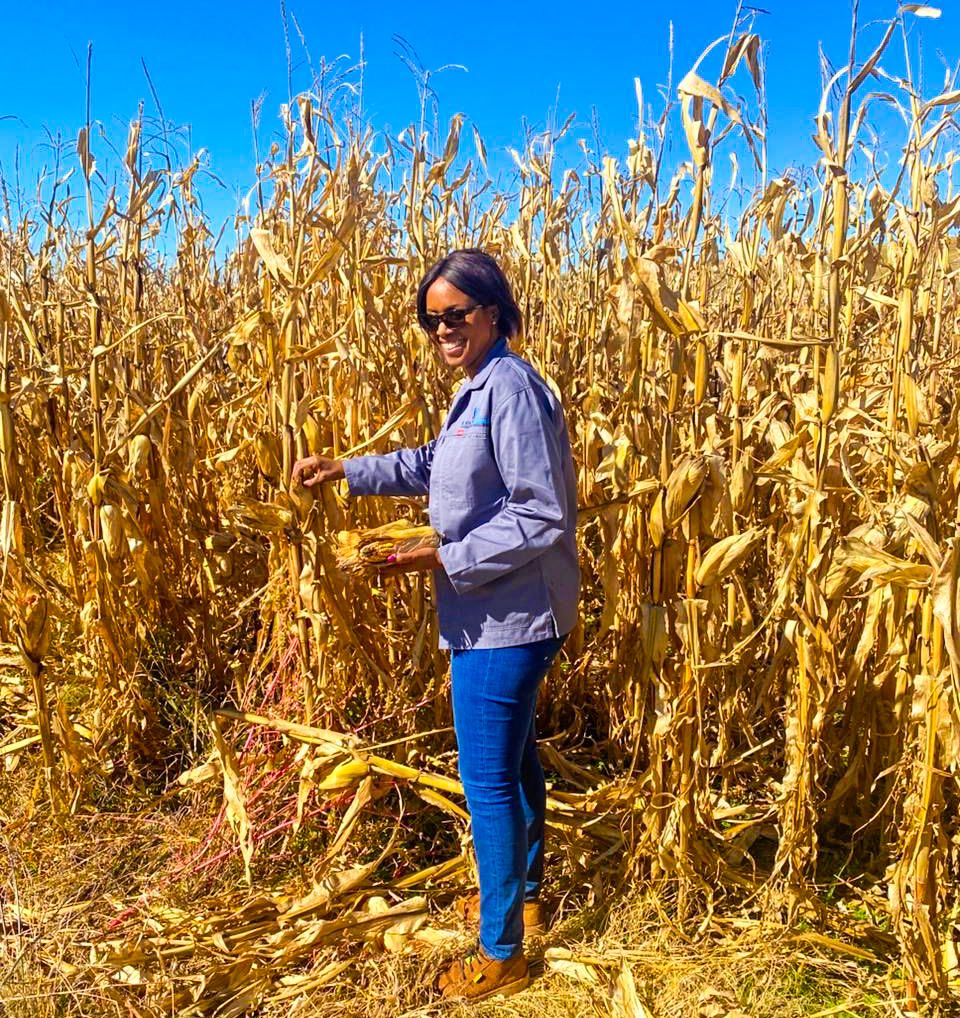
On this Freedom Day, we highlight the exceptional work of Nonopa Tenza, owner of Kevinot Farming, a rural enterprise based in Matatiele in the Eastern Cape.
Nonopa is a living testimony to Nelson Mandela’s words: “It always seems impossible until it’s done.”
An accountant by profession, she previously worked for one of South Africa’s big four financial services organisations in Johannesburg.
She made the bold decision to leave a well-paying corporate career to pursue farming, reviving abandoned land that belonged to her father-in-law. Her journey reflects the true meaning of freedom: the courage to create, build, and transform rural spaces into places of opportunity.
Kevinot Farming focuses on crop production, particularly yellow maize, as well as livestock farming, including cattle and sheep. The farm also grows lucerne and teff grass to feed its livestock and sell bales to surrounding farms.
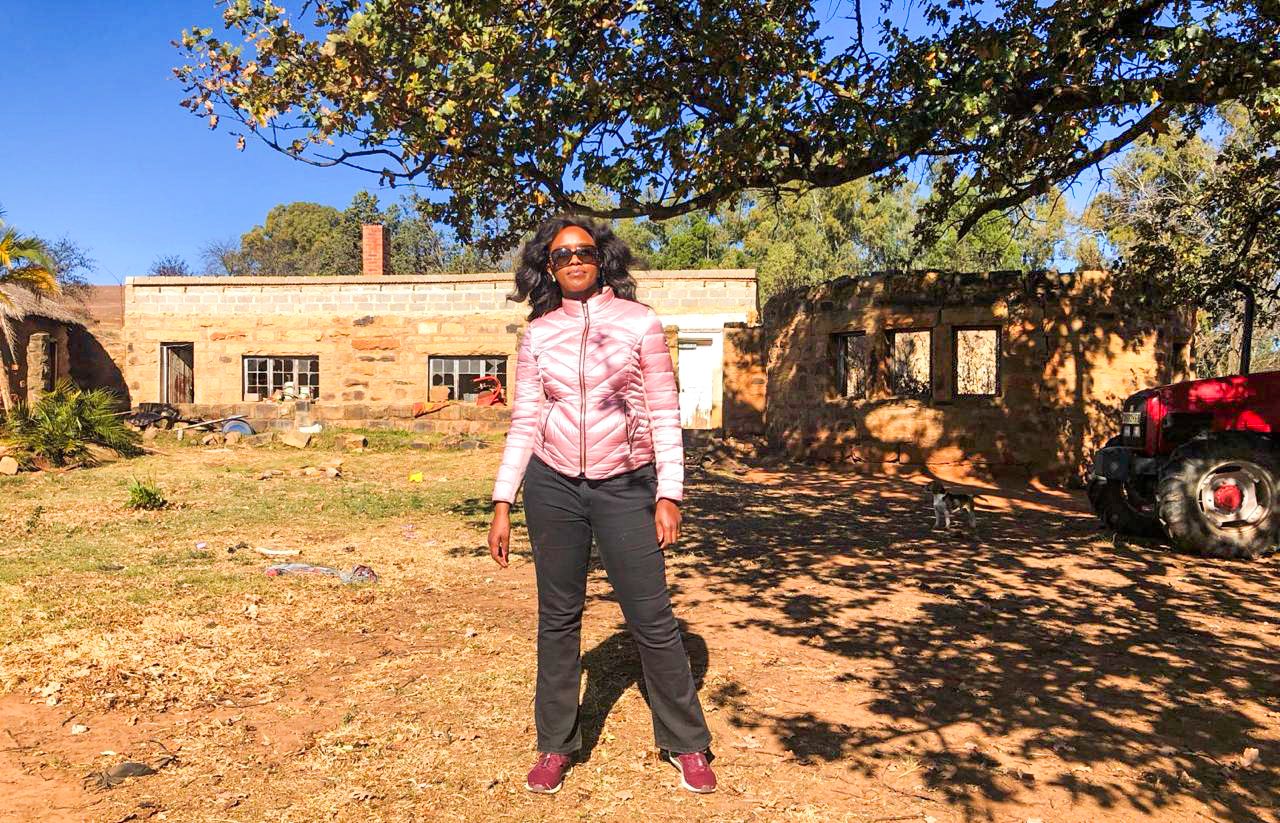
Like many agricultural ventures, the journey was not without challenges. The farm had no fencing, inadequate livestock handling infrastructure, no equipment, no storage, and even the farmhouses were in a dilapidated state.
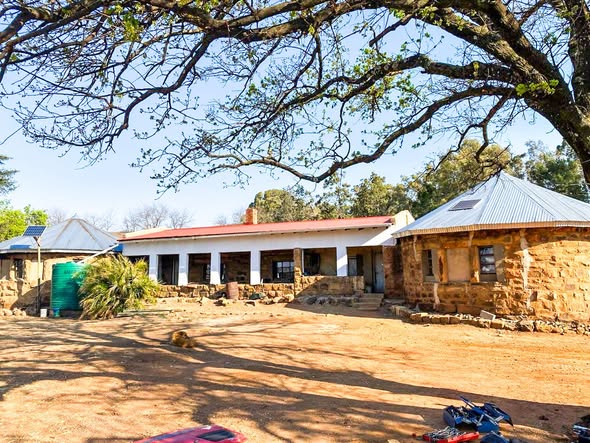
ECRDA, as an implementing agency of the Department of Agriculture, supported Kevinot Farming through its Structured Rural Finance and blended finance programmes.
This support contributed to the revival and sustainability of the farm, enabling the purchase of a tractor, fencing, and livestock, including an initial 42 sheep, made up of two rams and 40 pregnant ewes. ECRDA also provided essential crop production assistance. Today, the farm has grown significantly, with more than 135 cattle and 279 sheep.
The impact extends beyond the farm. Kevinot Farming currently employs 15 people across full-time, part-time, seasonal, and internship roles. During peak seasons such as planting and harvesting, the farm brings in an additional 20 or more workers.
The farm also supports a local primary school through educational tours and contributes beans grown on the farm to support the school feeding scheme.
Kevinot Farming has also established reliable markets, supplying maize to Kokstad Milling and buyers in Pietermaritzburg, which is then sold to Cargill for delivery to Epol for livestock feed. Livestock is sold through AAM Livestock Agents and Auctioneers, Farmers Livestock Agents auctions, local communities, abattoirs, and established buyers such as Karan Beef.
Kevinot Farming has received several awards and recognition, including:
2025 United Nations Food and Agriculture Organization Accelerator Programme graduate
2024 African Women in Business Award winner for Agriculture
2023 MTN Business SME Jumpstarter winner
2023 AWIEF Agri Entrepreneur Award winner in Kigali, Rwanda
2023 Top 3 Female Commercial Farmer of the Year, Eastern Cape Province
2023 Female Commercial Farmer of the Year, Alfred Nzo District
2022 Inaugural Presidential Award for Rural-based SMME of the Year winner
“We are deeply thankful to ECRDA for the financial support they provided to Kevinot Farming. Their investment came at the right time and gave us the foundation to grow our business. Because of this support, we are now able to create jobs, uplift our community, and contribute to economic activity in our rural area. We truly appreciate ECRDA’s belief in us and their commitment to our success,” says Nonopa.
Kevinot Farming stands as a beacon of hope, showing that with the right support, rural enterprises can thrive and build a better future for the next generation.







Recent Comments