
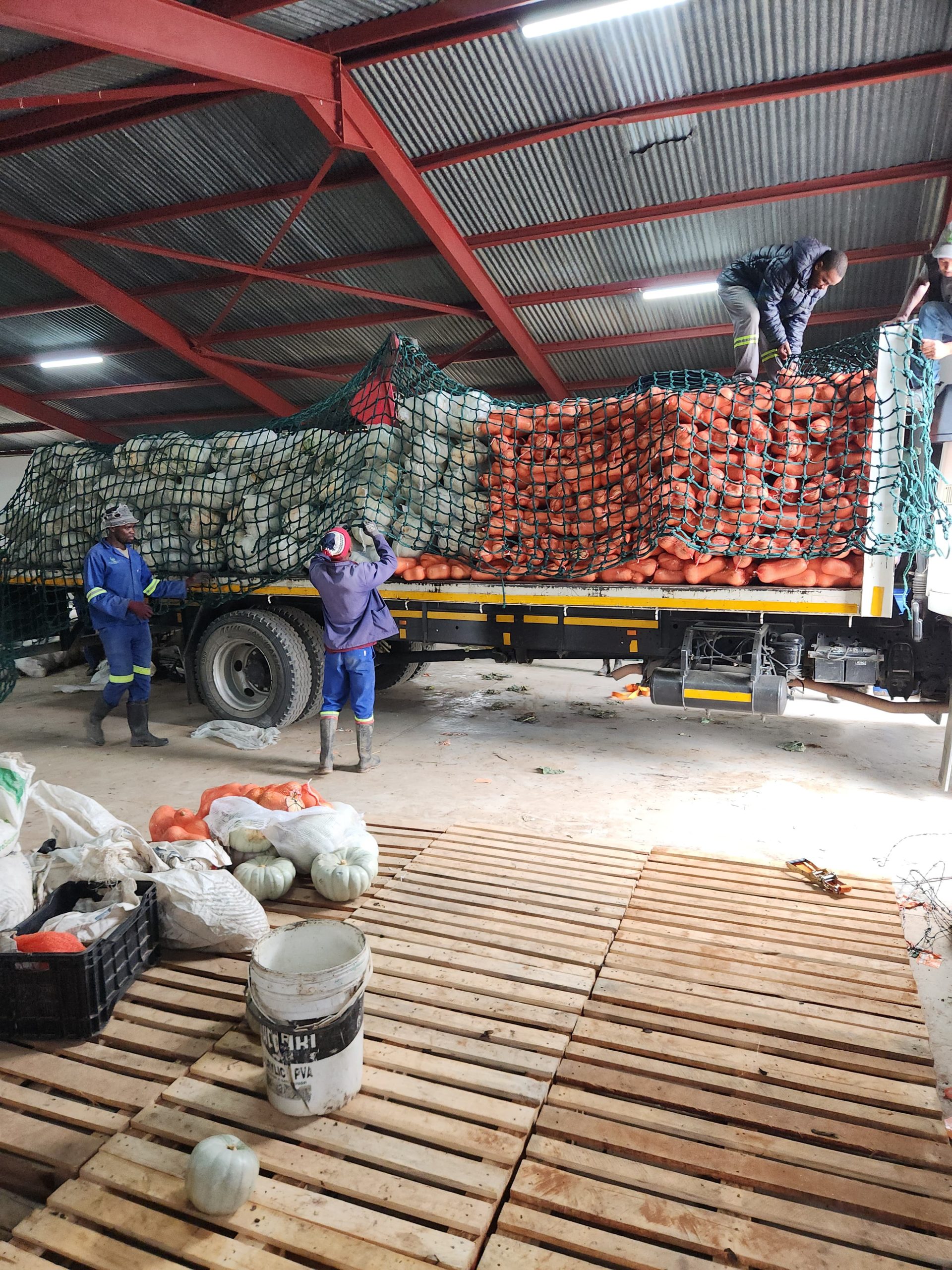
ECRDA continues to record remarkable progress from community-based Agri-entrepreneurs across the province, particularly in job creation, grain and vegetable value chains, and the expansion of cultivated land, despite challenging climatic conditions, including heatwaves and hailstorms. This achievement reflects the resilience, determination, and growing strength of Eastern Cape farmers in driving rural agricultural development.
In recent months, job creation has significantly outperformed targets, with 184 full-time jobs created or sustained against a target of 83, alongside the creation of 308 seasonal employment opportunities.
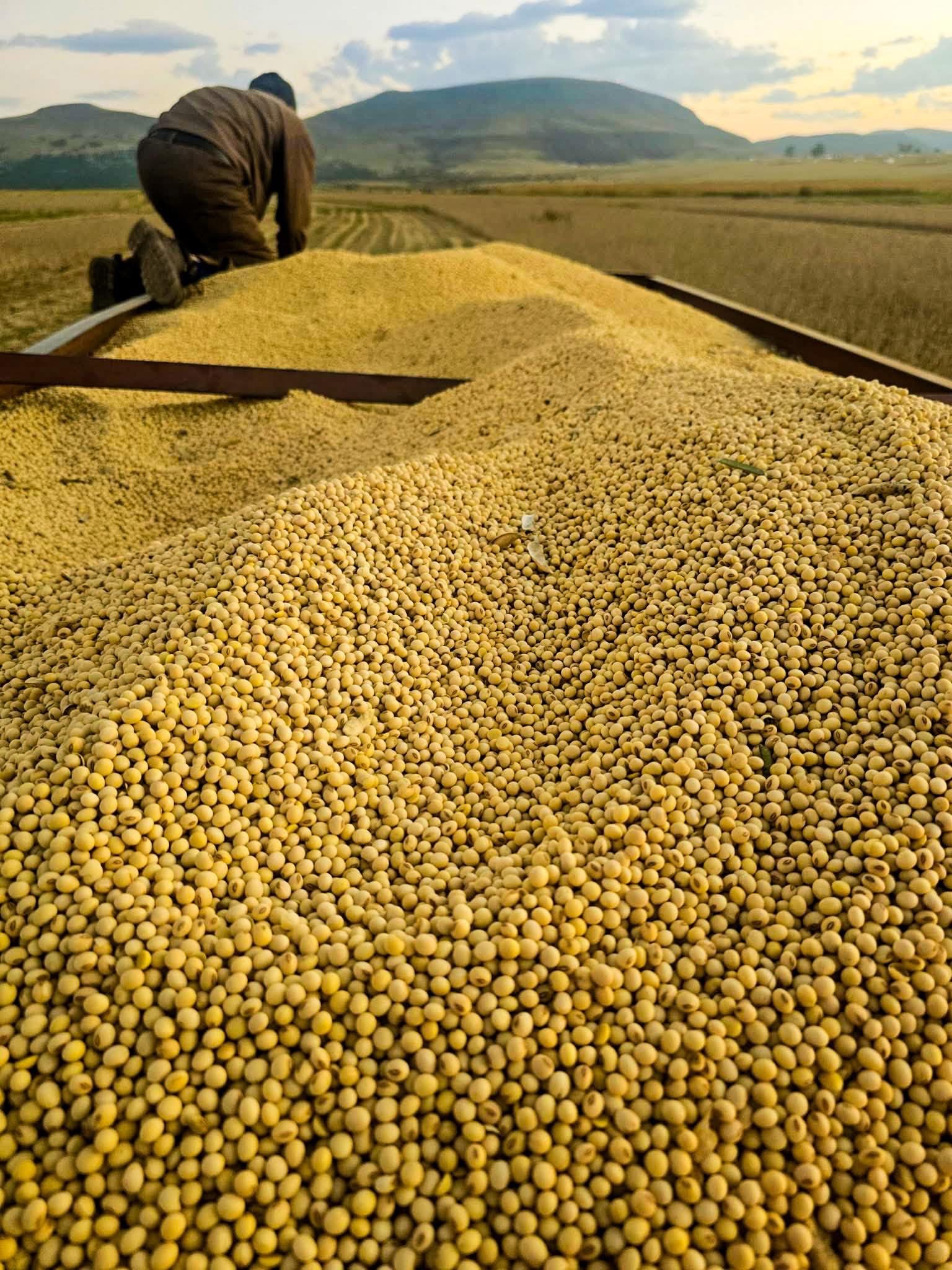
Grain production also performed exceptionally well, reaching 1,839 hectares against a target of 1,756 hectares. Vegetable production exceeded expectations with 78.1 hectares achieved against a target of 50 hectares, while fodder production slightly surpassed its target, with 253 hectares planted compared to the planned 250 hectares.
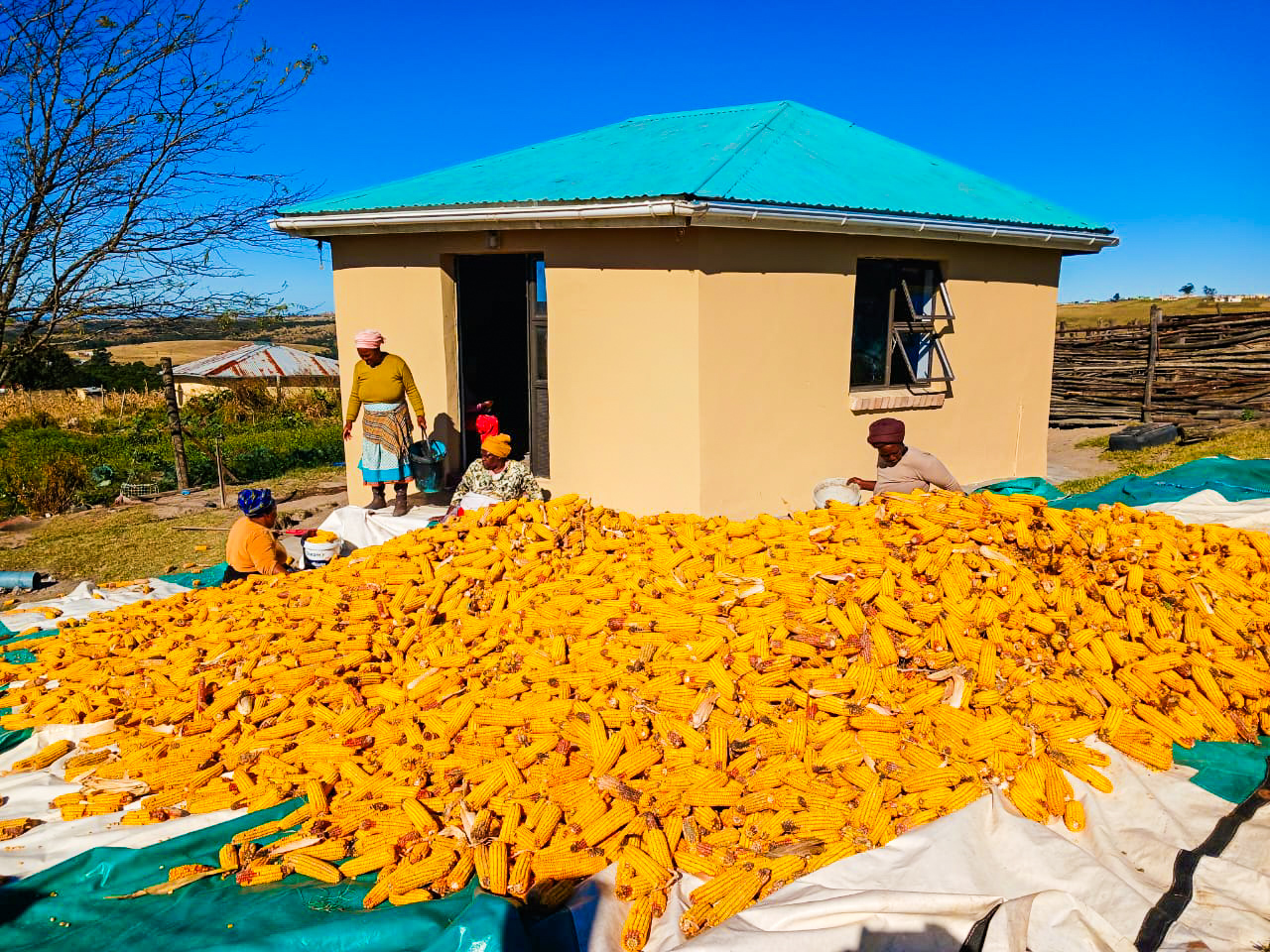
These significant results come from more than 100 Agri-entrepreneurs supported under ECRDA’s Grain, Fodder and Vegetable (Food) Crops Programme, which focuses on strengthening crop production systems that enhance food security and promote the commercialisation of rural agriculture. These farmers are spread across the OR Tambo, Amathole, Chris Hani, Joe Gqabi, and Alfred Nzo district municipalities.
One of the Agri-entrepreneurs making the province proud is Kevinot Farming, a rural enterprise managed by young farmer Ms Nonopa Tenza in Matatiele. Kevinot Farming successfully revived an old and dilapidated farm into a growing agricultural business. At the beginning, the farm had no fencing, inadequate livestock handling infrastructure, no equipment, no storage facilities, and even the farmhouses were in poor condition.
ECRDA supported Kevinot Farming with essential crop production assistance, regular production monitoring, and sustainability support. Financial assistance also enabled the purchase of a tractor, fencing, and livestock, including an initial 42 sheep made up of two rams and 40 pregnant ewes. Today, the farm has grown significantly and now boasts more than 135 cattle and 279 sheep.
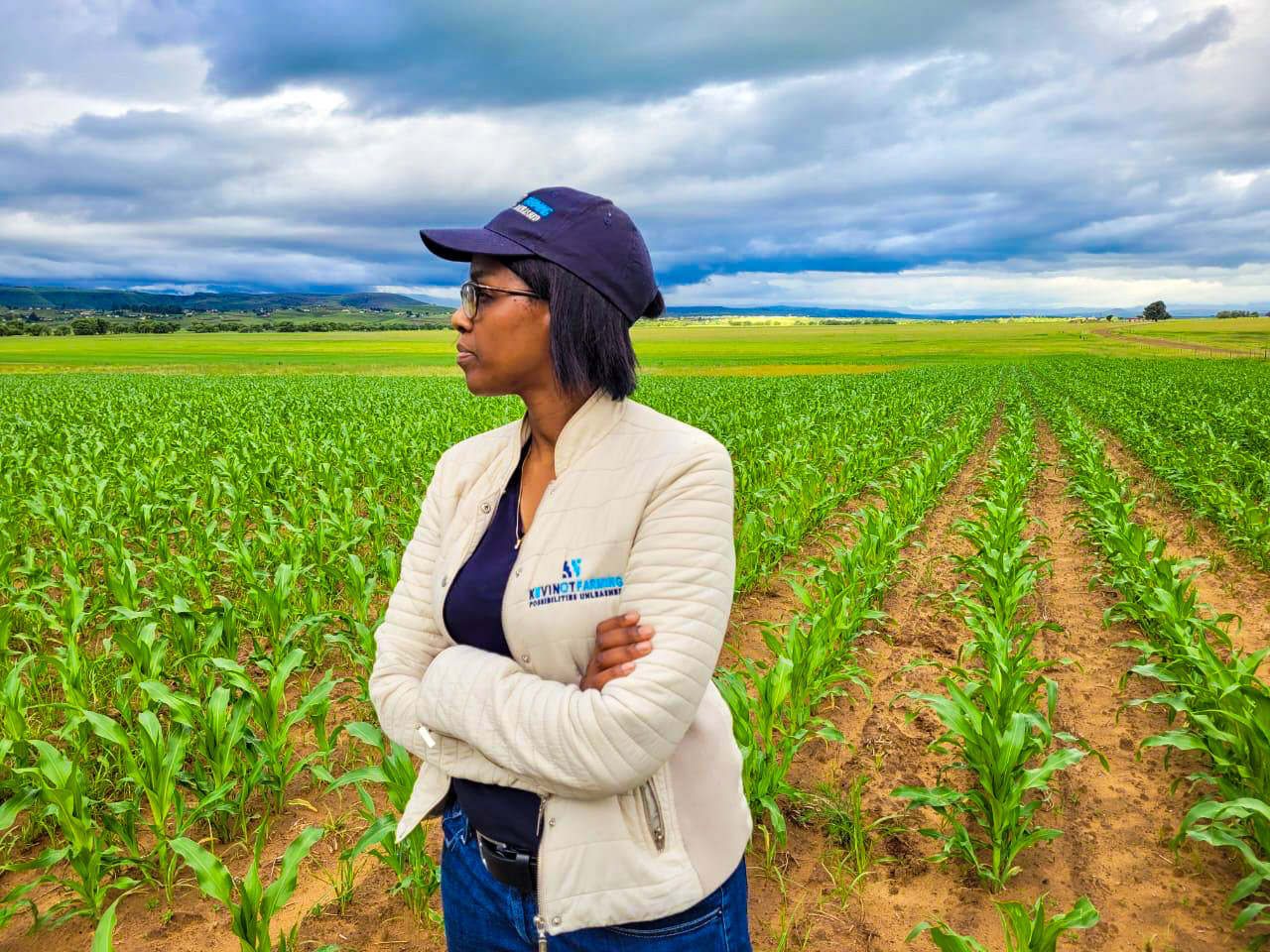
“We are deeply thankful to ECRDA for the significant support they provided to Kevinot Farming. Their investment came at the right time and gave us the foundation to grow our business. Because of this support, we are now able to create jobs, uplift our community, and contribute to economic activity in our rural area. We truly appreciate ECRDA’s belief in us and their commitment to our success,” said Ms Nonopa Tenza.
Kevinot Farming is one of many agri-entrepreneurs performing exceptionally well across the province, demonstrating how integrated support for rural communities can create meaningful and lasting impact. In delivering these milestones, ECRDA continues to work closely with its mother department, the Department of Agriculture, as well as strategic partners including the Land and Agricultural Development Bank of South Africa (Land Bank), African Seed Group, HelloChoice, Potato SA, the Eastern Cape Development Corporation (ECDC), and the Small Enterprise Development and Finance Agency (SEDFA).
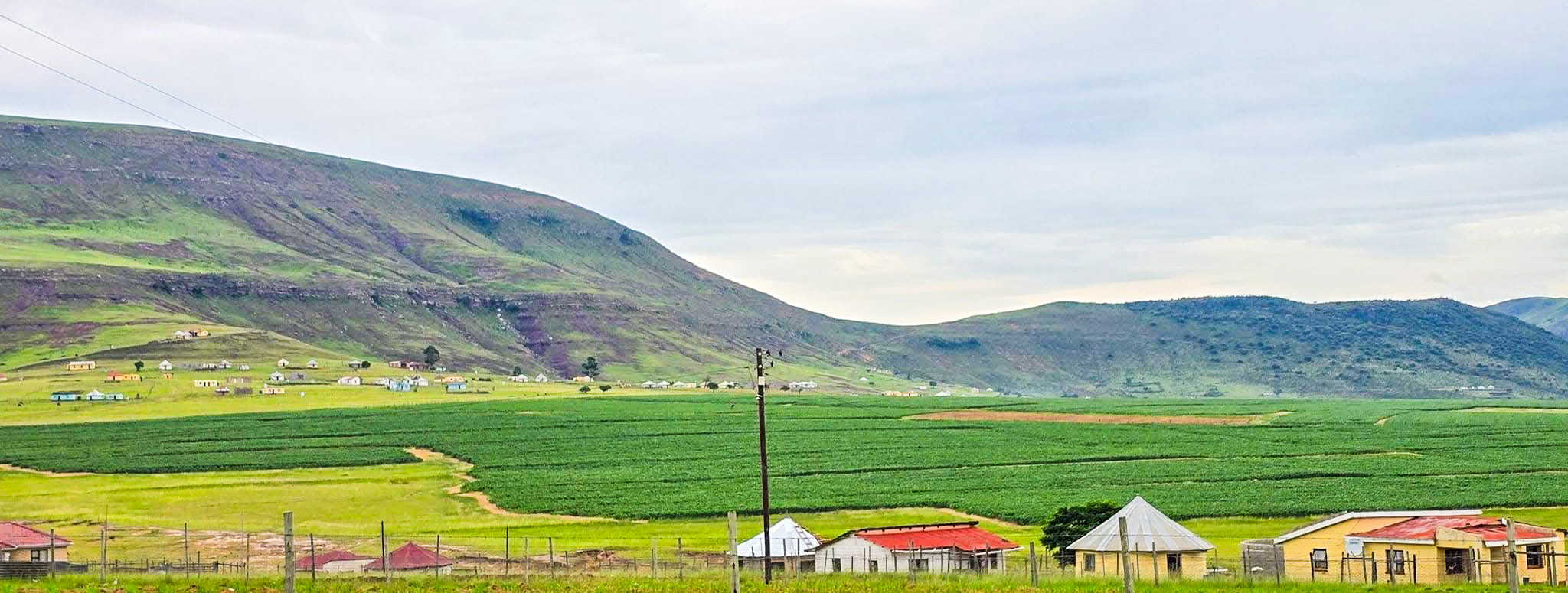
Through these partnerships, ECRDA has been able to strengthen support for farmers, improve market access opportunities, expand production, and advance the commercialisation of rural agriculture across the province.
“As the Agency, we are pleased to see that our plans are yielding positive results in making an inclusive and sustainable rural economy a reality in communities across the province. Early last year, we issued a Call for Expression of Interest to partner with ECRDA in transforming and commercialising rural agriculture in the Eastern Cape, and today the stakeholders who joined us are doing an excellent job. We hope to continue working together to make a significant footprint and change the lives of our people because that is the responsibility entrusted to us by government,” said ECRDA CEO, Simpiwe Somdyala.
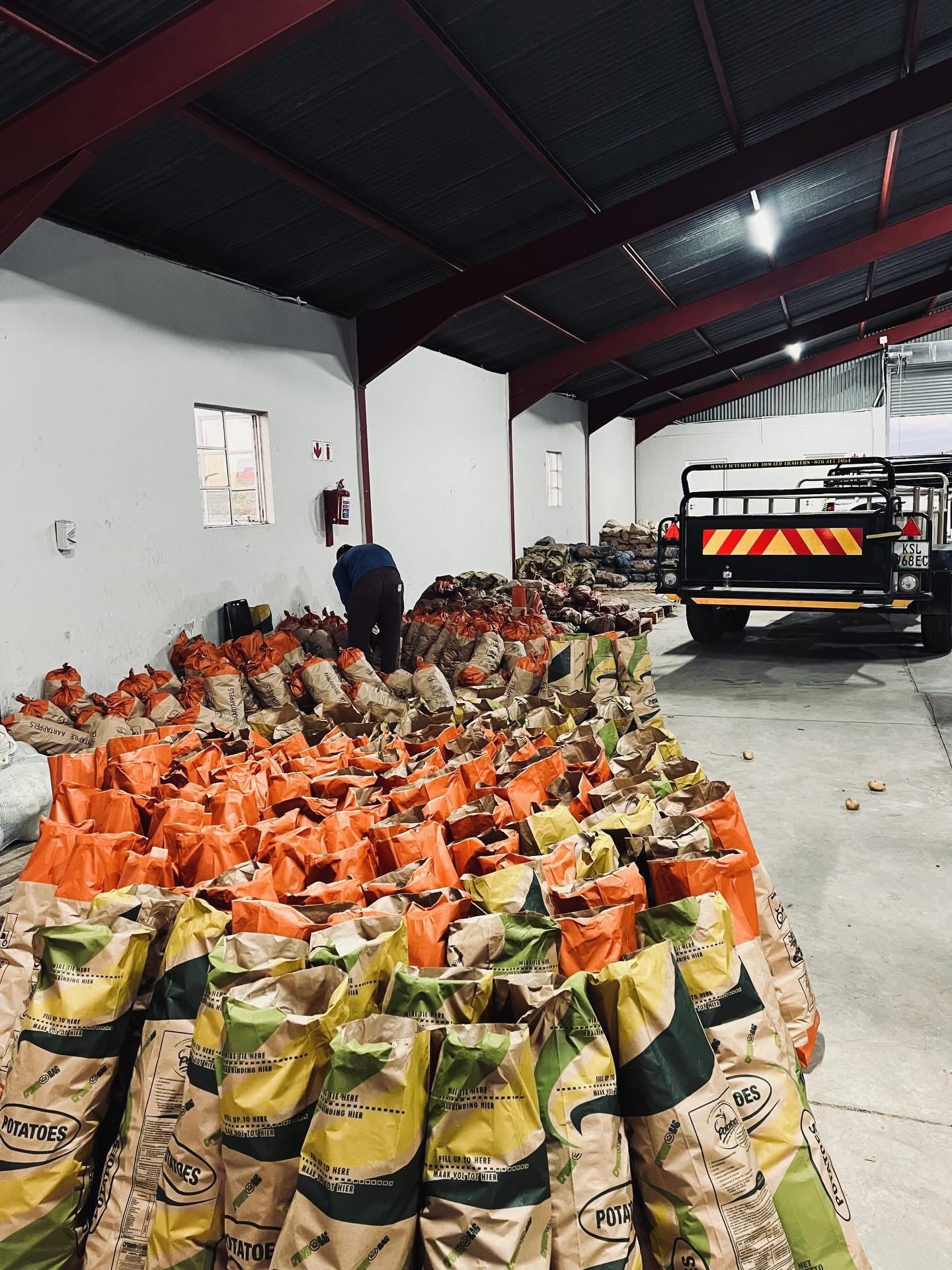
Through partnerships, community participation, and farmer dedication, agriculture continues to prove that it can be a powerful tool for creating sustainable livelihoods, empowering young people and women, and building stronger, self-reliant communities across the Eastern Cape.







Recent Comments